

Description
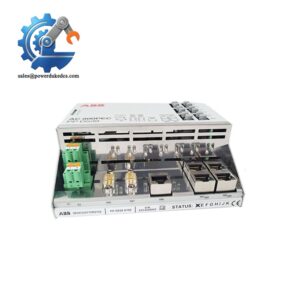
ABB XUD194A 3BHC018137R0001 | Industrial Fiber Optic Repeater System Base Module
Meta Description
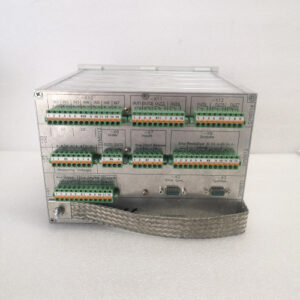
ABB XUD194A (3BHC018137R0001) is a core rear panel holder module for the ABB AC800PEC system, integrating processor mounting, power distribution and optical communication interfaces. All in-stock units pass full bench testing, supporting stable replacement and routine maintenance for power electronic control systems.
Product Core Brief
- Model: XUD194A / 3BHC018137R0001
- Brand: ABB
- Series: AC 800PEC Power Electronic Control System
- Core Function: Acts as rear panel carrier to integrate processor, power supply and optical communication components
- Type: System Rear Panel Holder & Communication Base Module
- Key Specs: Built-in fiber optic repeater; integrated power distribution; real-time system bus matching
- Condition: Tested surplus, non-refurbished, no disassembly or repair traces
- ⚠️ Original production discontinued, limited on-hand inventory
Product Introduction
Most AC800PEC system failures trace back to aging rear panel carrier and communication base hardware, and the ABB XUD194A 3BHC018137R0001 solves this common pain point. This dedicated rear panel module serves as the mechanical and electrical foundation for AC800PEC racks, carrying core components including main processor units and power supply modules.
It integrates professional fiber optic repeater circuitry to stabilize high-speed internal system data transmission, a key upgrade over ordinary common rack panels. The integrated power distribution design ensures consistent voltage output to all mounted modules, with built-in overcurrent protection to reduce component burnout risks. It supports online firmware upgrades without system shutdown, cutting routine maintenance downtime by a noticeable margin. This module sees heavy use in SVG, STATCOM and medium-voltage drive control systems across energy and industrial processing sectors.
Key Technical Specifications
| Parameter | Details |
|---|---|
| Full Part Number | XUD194A / 3BHC018137R0001 |
| Applicable System | ABB AC 800PEC Power Electronic Control Platform |
| Core Configuration | Integrated fiber optic repeater, system bus interface, power distribution circuit |
| Communication Mode | High-speed optical fiber internal system transmission |
| Operating Voltage | 24 VDC standard industrial power supply |
| Operating Temperature | 5 °C ~ 55 °C standard industrial range |
| Storage Temperature | -40 °C ~ 70 °C |
| Functional Feature | Support online firmware upgrade, no shutdown required |
| Status Indication | LED indicators for power, running status and fault alarm |
| Mounting Type | Standard AC800PEC rack embedded installation |
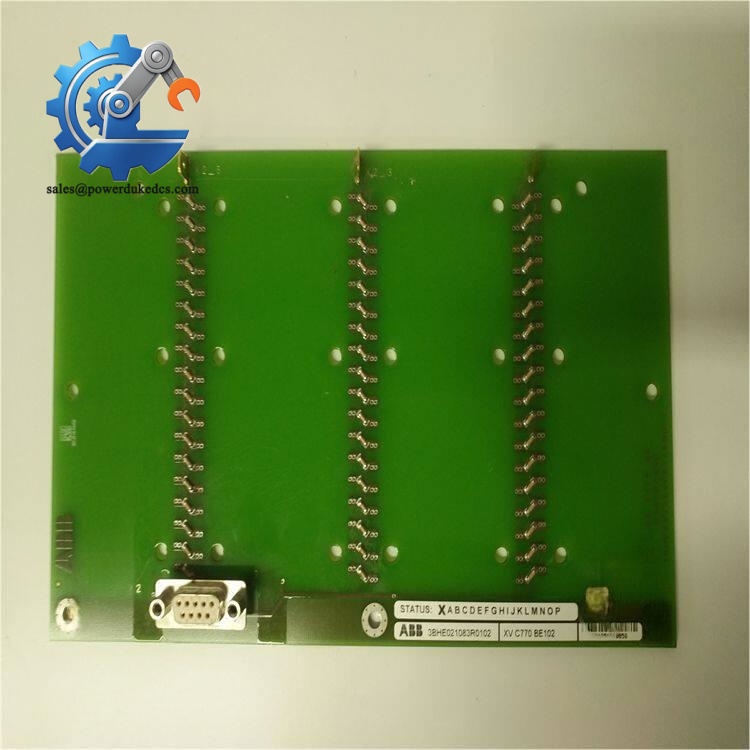
ABB XUD194A 3BHC018137R0001
Standard QC & Testing SOP
Every XUD194A module undergoes full-process professional testing to eliminate hidden operational risks, with all test records available for customer verification.
1. Incoming Source & Visual Inspection
We verify official serial number records and product source authenticity. Strict visual checks cover circuit board integrity, connector wear, shell aging, corrosion and any disassembly marks. No repair or modification traces are allowed for qualified units.
2. 24-Hour Live Bench Functional Test
Testing is completed on a standard ABB AC800PEC test rack. We conduct power-on self-check, optical fiber communication handshake, bus signal matching and full-load aging operation lasting 24 consecutive hours. Real-time operating temperature and signal stability are recorded throughout the test, with an official test report generated upon completion.
3. Electrical Performance Testing
All tests use calibrated Fluke 115 multimeters. We complete 500V insulation resistance testing (qualified value over 10 MΩ), ground continuity detection and power output stability verification to ensure compliance with industrial electrical safety standards.
4. Firmware & Configuration Verification
We read and record the original firmware version of each module. Default bus address and optical communication parameter settings are photographed and backed up, avoiding configuration mismatch during on-site replacement.
5. Final QC Confirmation & Packaging
Qualified modules are sealed in anti-static bags, wrapped with shockproof bubble film and packed in export cartons. Each unit is labeled with a dated QC Passed sticker. Test videos and photos can be provided on request.
On-Site Replacement Pitfall Guide
These frequent on-site errors are summarized from years of AC800PEC system maintenance cases, helping you avoid repeated commissioning and extended downtime.
❗ Firmware Version Mismatch Communication Failure
Firmware version inconsistencies between the new rear panel and original processor module will trigger continuous bus timeout alarms. I once handled a STATCOM project where technicians replaced the directly without version checking, causing two days of system communication failures. Always record the original firmware version before replacement and confirm version matching with the supplier.
❗ Optical Fiber Interface Misalignment & Loose Connection
The fiber repeater port on requires precise plugging. Improper insertion or dirty port contacts lead to intermittent signal loss. Clean optical ports with professional tools before installation; loose connections are the top cause of unstable system operation after panel replacement.
❗ Unverified Power Load Margin
This rear panel integrates power distribution functions. Adding new modules will increase overall rack power consumption. Always reserve at least 20% power supply margin; insufficient load capacity will cause undervoltage restart during peak system operation.
❗ Ignored ESD Protection During Installation
The built-in optical communication circuit is extremely sensitive to static electricity. I have seen unprotected manual operation burn out internal repeater chips, rendering the entire module useless. Wear anti-static wristbands and operate on anti-static mats, especially in dry winter workshop environments.
❗ Blind Online Upgrade Without Backup
While the module supports online firmware upgrades, improper upgrade interruption will cause system boot failure. Back up the original configuration file before any firmware update to avoid unnecessary system paralysis risks.
Quick Conclusion
1. The ABB 3BHC018137R0001 is exclusively designed for systems, not compatible with other ABB DCS or PLC platforms.
2. Official factory new units are discontinued; all stocked units are fully tested surplus hardware with stable field performance.
3. Matching firmware versions and optical fiber connection standardization are the two core keys to successful replacement.
4. Pre-shipment test reports can effectively reduce on-site commissioning risks and shorten equipment recovery time.
FAQ
A1: Physical installation dimensions are fully compatible, but firmware and bus parameters need manual matching. Direct replacement without configuration adjustment may cause communication anomalies.
A2: It acts as the system’s rear carrier and communication hub, undertaking processor mounting, power distribution and internal optical data transmission to support normal operation of the entire control rack.
Q3: Is online firmware upgrade safe for this module?
A3: The online upgrade function is stable under normal power conditions. Just back up original configurations in advance and avoid power interruption during the upgrade process.
Q4: What is the warranty coverage?
A4: We provide a 12-month shipment-date-based warranty, covering all inherent hardware defects. Artificial damage and unauthorized disassembly are not covered.
Q5: What scenarios are not suitable for this module?
A5: It is not applicable for conventional factory automation PLC logic control systems and non-ABB power electronic control equipment.
Recommended Publishing Channels & Optimization Directions
Official Website Product Page: Retain full test SOP and parameter table to enhance professional trust and Google SEO inclusion.
B2B Industrial Platforms: Simplify lengthy testing steps, highlight stock status, compatibility and warranty information to improve procurement conversion.
Technical Community Posts: Focus on optical fiber connection specifications and firmware matching pitfalls to attract professional engineer search traffic.


 Start Chat