

Description
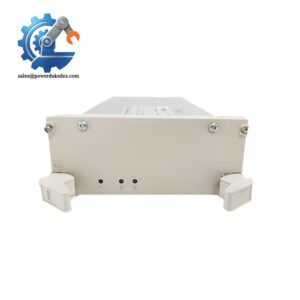
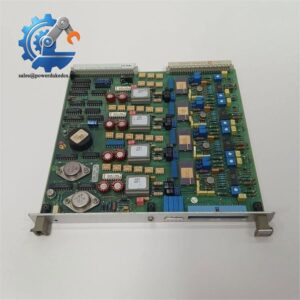
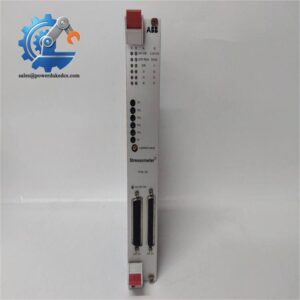
BENTLY 3701/55 Vibration Monitoring Module Full Product Page
Product Core Brief
-
Model: 3701/55
-
Brand: BENTLY (Bently Nevada)
-
Series: 3700 Series Vibration Monitoring System Modules
-
Core Function: Real-time vibration signal acquisition, processing and abnormal alarm for rotating machinery
-
Type: Industrial Vibration Monitoring Control Module
-
Key Specs: High-sensitivity signal sampling, wide frequency response, industrial anti-interference, long-term stable operation
-
Condition: New Original, factory sealed, non-refurbished, full factory certification
-
Origin: United States
Product Introduction
Rotating equipment such as turbines, compressors and fans in petrochemical, power and metallurgical industries is prone to mechanical faults including bearing wear, rotor imbalance and shaft misalignment. Unmonitored vibration anomalies will gradually expand and cause sudden equipment shutdown or even mechanical failure losses. The BENTLY 3701/55 is a core monitoring module of the classic 3700 series vibration monitoring system, specially developed for full-cycle condition monitoring of industrial rotating machinery.
This BENTLY 3701/55 module adopts high-precision signal acquisition chip and mature industrial vibration algorithm. It can accurately collect and filter vibration data of rotating equipment, realize real-time data analysis, threshold judgment and fault alarm output. With excellent anti-electromagnetic interference and temperature adaptability, it can operate stably in harsh industrial environments with strong electromagnetic noise and variable temperature. Widely used in key equipment monitoring scenarios of major industrial enterprises, it is a mainstream original spare part for daily maintenance, overhaul and old system upgrade of Bently Nevada vibration monitoring systems.
Key Technical Specifications
|
Parameter Item
|
Technical Data
|
|
Full Model Number
|
3701/55
|
|
Product Name
|
3700 Series Vibration Monitoring Module
|
|
Application Industry
|
Power Generation, Petrochemical, Metallurgy, Industrial Rotating Machinery
|
|
Core Function
|
Vibration signal acquisition, filtering, analysis and fault alarm output
|
|
Working Temperature
|
0°C to +65°C Industrial Standard Range
|
|
Anti-Interference Level
|
Meets Industrial EMC Anti-jamming Standards for Heavy Industry
|
|
Manufacturing Location
|
United States
|
|
Mounting Method
|
Standard 3700 Series Rack Chassis Mounting
|
|
Customization Status
|
Standard off-the-shelf monitoring spare part, no customization required
|
|
Industrial Standard
|
Compliant with ISO Vibration Monitoring and Industrial Safety Specifications
|
|
Applicable Equipment
|
Turbines, Compressors, Fans, Pumps and Other Rotating Machinery
|
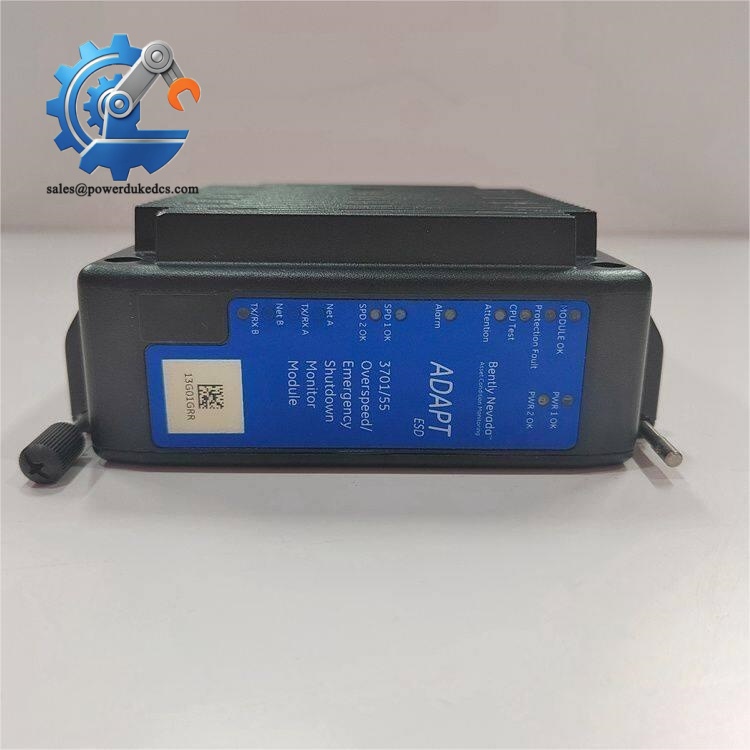
BENTLY 3701/55
Installation & Configuration Guide
Stage 1: Pre-Installation Preparation (15 Minutes)
⚠️ Industrial Monitoring System Safety Priority
Apply for equipment maintenance shutdown permission in advance, switch the monitoring system to maintenance mode to avoid false alarms. Cut off the vibration cabinet main power and backup power, lock the power switch to prevent accidental power transmission. Wait more than 5 minutes for internal circuit discharge to eliminate residual voltage risks.
Tools to Prepare
ESD anti-static wristband and insulated mat, precision screwdriver set, Fluke multimeter, waterproof signal labels, mobile phone for wiring and configuration snapshot records.
Data Backup Work
Export all vibration monitoring parameters, alarm threshold values, sampling frequency and system logic configuration for dual backup. Take clear photos of the original module’s signal wiring sequence, terminal definition and DIP switch status to ensure parameter consistency after replacement.
Stage 2: Old Module Removal (12 Minutes)
1. Open the vibration monitoring cabinet door, remove the internal protective baffle to expose the target module slot.
2. Mark each vibration signal cable and power cable with corresponding terminal numbers. Loosen terminal screws gently, separate cables one by one to avoid pin bending and wire core damage.
3. Release the rack fixing buckles of the module, pull the module horizontally outward, and separate it completely from the backplane bus interface.
4. Inspect the backplane slot pins for oxidation, dust accumulation and ablation. Clean floating dust and oxide with dry compressed air, confirm the slot is intact and free of foreign impurities.
Stage 3: New Module Installation (18 Minutes)
1. Wear complete anti-static protective equipment, unpack and take out the brand-new BENTLY 3701/55 module.
2. Verify the model, serial number and factory label information to confirm full compatibility with the on-site 3700 series system.
3. Key Configuration Reproduction: Restore DIP switch settings, sampling parameters and communication configuration strictly according to the old module’s photo records. Alarm thresholds and bus address must be consistent with system operating parameters.
4. Align the module with the backplane directional slot, push it horizontally into the rack until it is fully locked, fix the module with fixing bolts to ensure no shaking or offset.
5. Reconnect signal cables and power cables in the original wiring sequence, fasten terminals with uniform torque, and perform cable tension test to confirm stable connection.
Self-Check List
Monitoring parameter settings correct ✅ | All signal cables connected firmly ✅ | Module fully locked and level ✅ | No tools left in cabinet ✅
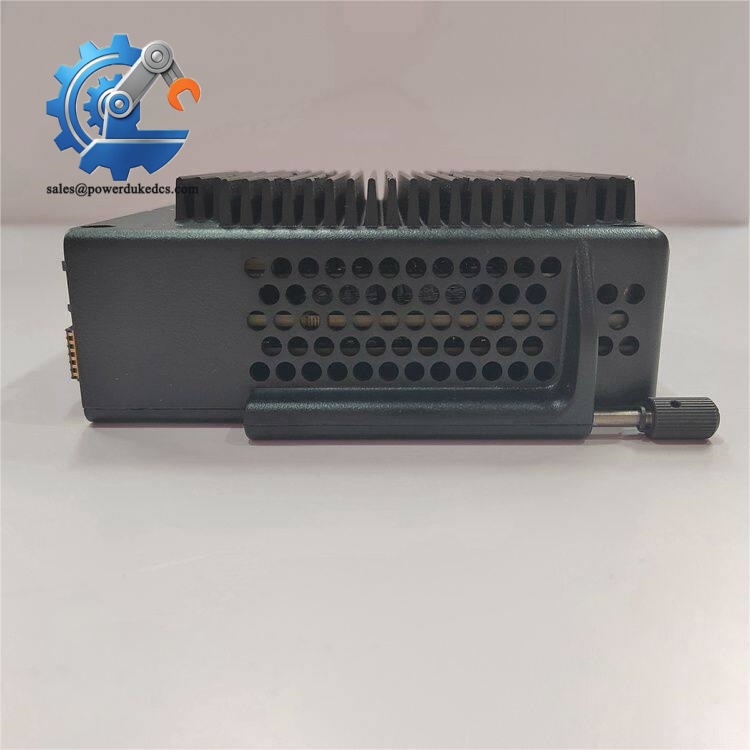
BENTLY 3701/55
Stage 4: Power-On Test & Commissioning (30 Minutes)
1. Use a multimeter to detect circuit continuity and insulation performance, confirm no short circuit, leakage or wrong wiring risks.
2. Power on the monitoring cabinet, observe module indicator status: steady green indicates normal standby; red light or flashing indicates parameter mismatch or circuit abnormality.
3. Connect Bently Nevada professional debugging software, scan the system to identify the new module, read factory default firmware version and parameters.
4. Import the backed-up configuration data, complete parameter calibration and logic verification, and switch the system to test operation mode.
5. Simulate equipment vibration signal changes to test module sampling accuracy, data transmission stability and alarm response sensitivity.
6. Maintain 30 minutes of continuous no-alarm operation, record module SN, replacement time and debugging data in equipment maintenance files.
Quality Inspection & Testing Process
All stocked BENTLY 3701/55 vibration modules undergo strict multi-standard industrial testing to ensure adaptability to heavy industrial monitoring scenarios. Complete test reports and inspection videos can be provided for customer verification.
1. Warehouse Entry Inspection
Verify original factory certificates, customs clearance documents and brand authorization files to confirm genuine US-origin products. Check module serial number traceability information. Conduct full appearance inspection to ensure no scratches, aging, oxidation, disassembly or replacement traces. Archive all factory certification and warranty documents completely.
2. Live Bench Function Test
Adopt a dedicated Bently 3700 series system test bench for simulation testing. Complete power-on self-test and indicator status verification. Simulate multiple vibration frequency and amplitude scenarios to test module signal acquisition accuracy and response speed. Conduct 24-hour continuous aging test to monitor long-term operational stability.
3. Electrical Performance Test
Complete insulation resistance test, voltage resistance test and ground continuity test in accordance with industrial standards. All electrical indicators meet the access requirements of industrial vibration monitoring systems.
4. Parameter & Firmware Verification
Read and record factory firmware version and default monitoring parameters. Uniform version archiving avoids firmware mismatch leading to data deviation and alarm failure during on-site replacement.
5. Final QC & Packaging
Professional industrial inspectors confirm all test items pass. Modules are sealed in anti-static vacuum packaging, wrapped with shockproof and moisture-proof materials, and pasted with QC qualified labels before delivery.
Field Replacement Pitfall Guide
Industrial vibration monitoring systems have extremely high requirements for parameter accuracy and signal stability. Minor operational errors will cause data distortion, false alarms or monitoring failure, affecting safe operation of core equipment.
1. Firmware Version & Parameter Mismatch
Different firmware versions of 3700 series modules have different built-in signal processing algorithms. Many on-site maintenance personnel directly replace modules without calibrating parameters, resulting in inconsistent vibration threshold standards and frequent false alarms. It is necessary to fully copy the original system parameters and perform calibration after replacement to ensure monitoring accuracy.
2. Wrong Signal Terminal Wiring
Vibration monitoring modules have strict terminal definitions for vibration signals, power supply and communication. Wrong wiring will cause signal loss, module burnout or system communication failure. Record wiring photos in advance and compare repeatedly! Do not rely on experience for wiring construction.
3. Ignoring ESD Static Protection
The internal high-precision acquisition chips of BENTLY modules are extremely sensitive to static electricity. Unprotected operation in dry industrial environments is easy to cause static damage to precision circuits, resulting in reduced monitoring accuracy or permanent module damage. Anti-static operation is mandatory for all replacement work.
4. Skipping Vibration Simulation Test
Simple power-on self-test cannot verify actual monitoring performance. Skipping vibration signal simulation test will lead to hidden dangers such as delayed response and insensitive alarm of the new module. On-site variable signal simulation debugging must be completed before formal system operation.
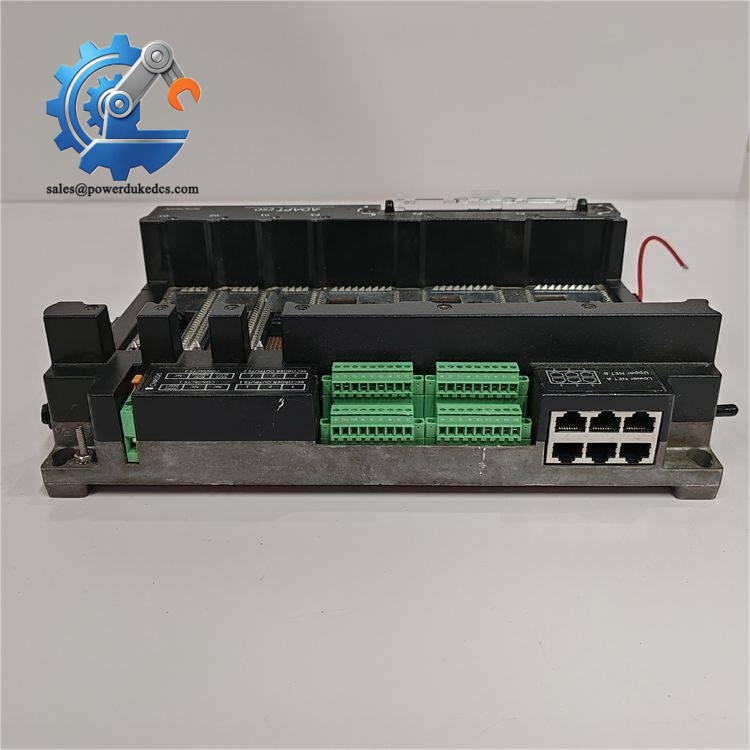
BENTLY 3701/55
Frequently Asked Questions (FAQ)
1. Can BENTLY 3701/55 replace old modules directly?
The hardware interface is fully compatible with Bently 3700 series rack systems for direct plug-in installation. However, factory default parameters cannot match on-site equipment operating conditions. Professional parameter replication and signal calibration are required before formal use.
2. Is hot swap supported for this module?
Hot swap is not recommended for on-site industrial operating systems. Hot plugging will cause instantaneous current impact and signal fluctuation, easily trigger system false alarms and even damage the backplane bus. Full power-off replacement is the standard safe operation.
3. What is the warranty policy for this module?
We provide 12-month full warranty for all new original BENTLY 3701/55 modules. Free maintenance and replacement services are available for non-human quality faults during normal industrial application.
4. What equipment is the 3701/55 module suitable for?
It is widely used for real-time vibration monitoring of rotating equipment such as industrial turbines, centrifugal compressors, large fans and water pumps, applicable to power, petrochemical and metallurgical industries.
5. What is the delivery cycle of the product?
We have sufficient spot inventory of BENTLY 3701/55 modules. Standard orders can be shipped within 1–2 working days, and bulk orders support customized delivery schedules.
6. How to confirm module compatibility with on-site systems?
We can provide official product datasheets and system matching reports. According to your on-site system model and equipment parameters, our technical team can complete one-on-one compatibility verification to avoid installation and adaptation failures.


 Start Chat