

Description
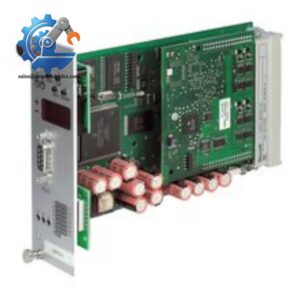
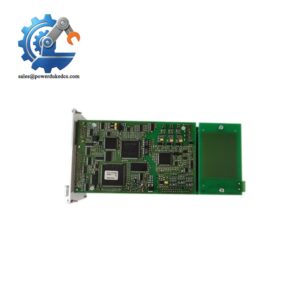
- Radisys SBC486DX66 | Vintage Industrial Single Board Computer Spare Parts
Product Core Brief
- Model: SBC486DX66
- Brand: Radisys
- Series: Multibus II Single Board Computer Platform
- Core Function: PC-AT compatible embedded CPU board for industrial control and data acquisition
- Type: Multibus II Single Board Computer (SBC)
- Key Specs: Intel 486DX @66 MHz (integrated FPU) | Multibus II interface | Onboard watchdog timer
⚠️ OEM permanently discontinued, extremely limited surplus inventory
Condition: New Surplus, not refurbished
Key Technical Specifications
| Parameter | Specification |
|---|---|
| Full Part Number | SBC486DX66 (also referenced as SBC-486/DX66) |
| CPU | Intel 80486DX 66 MHz, integrated FPU math coprocessor |
| System Bus | Multibus II industrial backplane bus |
| Memory Support | Onboard DRAM socket; BIOS compatible with DOS / early real-time OS |
| Onboard Peripherals | Dual RS232 serial ports, parallel printer port, RTC battery-backed clock |
| System Features | Hardware watchdog timer, power-fail reset circuit |
| Expansion | Multibus II card slot expansion; compatible Multibus II peripheral modules |
| Operating Voltage | +5 V DC primary power supply |
| Operating Temperature | 0 ℃ ~ +70 ℃ |
| Storage Temperature | -40 ℃ ~ +85 ℃ |
| Software Compatibility | MS-DOS, early embedded real-time operating systems |
| OEM Status | End-of-production legacy industrial computing hardware |
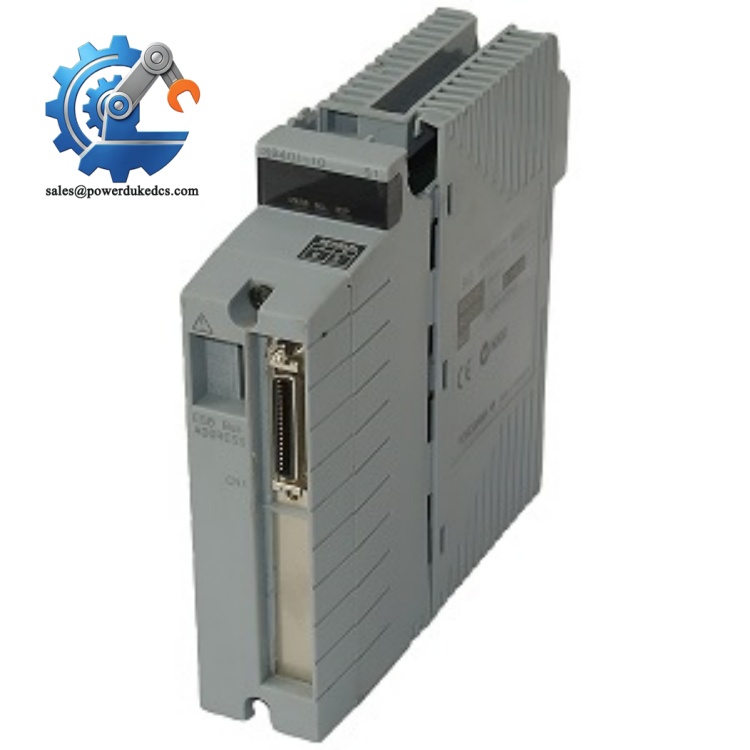
Radisys SBC486DX66
Product Introduction
Application Scenarios & Pain Points
- Legacy Automated Test Equipment (ATE)
Vintage production test benches built in the 1990s. Proprietary DOS-based test software compiled exclusively for 486 processors.
- Medical Diagnostic Equipment
Older ultrasound and imaging systems that depend on original Radisys Multibus II control hardware.
- Industrial Process Control Racks
Early generation continuous manufacturing control systems equipped with Multibus II distributed I/O modules.
- Transportation & Railway Test Simulators
Legacy track and vehicle simulation hardware with unmodified binary control firmware.
- Scientific Laboratory Instrumentation
Older spectroscopy and measurement instruments with locked embedded binary software.
A regional medical service provider faced downtime on an ultrasound diagnostic system powered by Radisys SBC486DX66. The original CPU board failed after battery leakage damaged PCB traces.
Compatibility & Replacement Matrix
Notes: Backup CMOS settings before swapping. Verify battery status for RTC.
SBC486DX33: Same product family, lower CPU frequency; not fully compatible if application requires 66 MHz timing.
Other Multibus II CPU boards (MIX series): Different PCB layout and pin definition; cannot direct swap.
Modern x86 single board computers: No Multibus II native interface; requires custom bus adapter and full software migration.
Quality Control Process
- Inbound Inspection
Check serial number and silkscreen labeling. Visual PCB inspection for battery corrosion, track damage, component aging, solder rework or missing parts.
- ESD Controlled Operation
All testing performed on anti-static workbench with ESD wrist strap to protect vintage semiconductor components.
- Bench Functional Test
Mount board into Multibus II test backplane. Complete power-on self-test, BIOS initialization, serial port communication, watchdog function verification. Formal test report generated upon passing.
- Configuration Documentation
Capture hardware photos and record BIOS version for customer reference.
- Power Rail Continuity Test
Detect internal short circuits and degraded power circuits.
- Final QC & Packaging
QC inspector signs off after all test items pass. Board sealed inside anti-static bag, wrapped with bubble film and packed into export carton, attached with QC Passed label. Test photos or videos can be provided on request.
Field Replacement Pitfall Guide
-
CMOS Battery Degradation
This vintage board uses an onboard battery for RTC and CMOS configuration. Leaking batteries are the most common failure root cause.
Advice: Replace the battery preventively immediately after installation. I have seen multiple replacement boards fail within months due to old onboard battery leakage.
-
CPU Timing Sensitivity
Original firmware often has strict timing dependencies tied to 66 MHz 486DX operation. Using 33 MHz variants will trigger software errors or boot failures.
-
Multibus II Backplane Contact Oxidation
Legacy rack backplane gold contacts oxidize over decades. Clean card edge connectors before inserting the new SBC to avoid intermittent bus communication faults.
-
Electrostatic Discharge Risk
Vintage semiconductor chips have weaker ESD tolerance compared to modern ICs. Always use ESD protection during handling.
Real lesson: One maintenance technician installed the board without anti-static measures and damaged the onboard UART circuits during hot handling.
-
Software & Firmware Porting Limitation
No simple modern hardware substitute. Any migration project requires rewriting or recompiling proprietary binary software.
-
Post-installation Validation
Run continuous soak testing for minimum 8 hours. Verify all serial communication and trigger-based control functions before restoring equipment to operational service.



 Start Chat