

Description
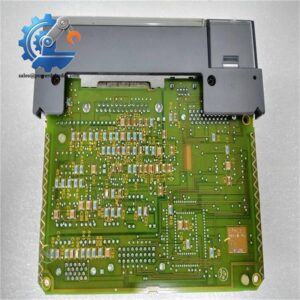
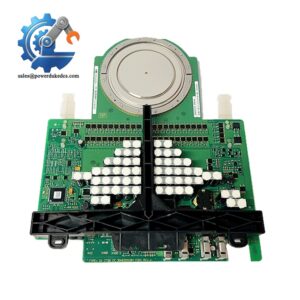
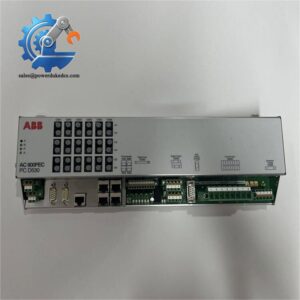
- ABB TC514V2 3BSE013281R1 Galvanic Isolation Modem For High EMI Industrial Control Cabinets
Product Core Brief
- Model: TC514V2
- Material Code: 3BSE013281R1
- Brand: ABB
- Series: AF100 (Advant Fieldbus 100) Communication Accessories
- Core Function: Convert AF100 twisted-pair signals to optical fiber for bus extension and electrical isolation
- Type: Twisted Pair / Opto Modem (Fiber Repeater)
- Key Specs: 24 VDC supply, built-in galvanic isolation, supports AF100 protocol, DIN rail mounting
- Condition: New Surplus, factory intact, non-refurbished
⚠️ Discontinued legacy communication hardware, limited emergency buffer stock for plant MRO
Product Introduction
Key Technical Specifications
| Parameter Item | Technical Specification |
|---|---|
| Full Part Number | TC514V2, 3BSE013281R1 |
| Product Type | AF100 Twisted Pair / Optical Modem |
| Supported Protocol | Advant Fieldbus 100 (AF100) |
| Supply Voltage | 24 V DC nominal (9–32 V DC wide range) |
| Isolation | Galvanic isolation between copper and fiber sides |
| Mounting Method | Standard 35 mm DIN rail |
| Operating Temperature | -20 °C to +60 °C |
| Storage Temperature | -40 °C to +85 °C |
| Humidity Range | 5%–95% RH, non-condensing |
| Power Consumption | < 1 W typical |
| Dimensions (W × H × D) | 58 mm × 122 mm × 168 mm |
| Approximate Weight | 0.34 kg |
| Application Scene | AF100 bus segmentation, long-distance extension, ground loop suppression |
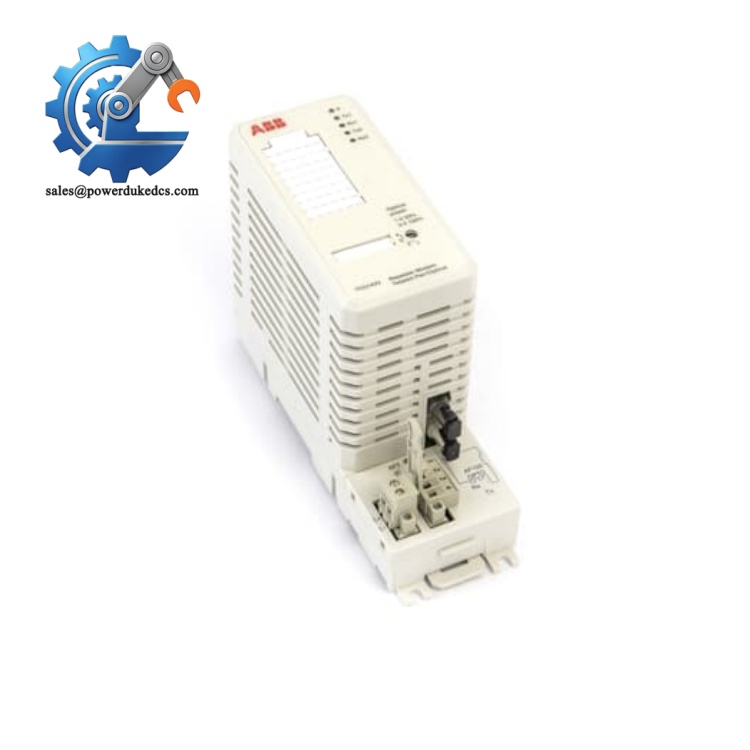
ABB TC514V2 3BSE013281R1
Installation & Configuration Guide
Stage 1: Pre-Installation Preparation (10 Minutes)
Stage 2: Old Module Removal (8 Minutes)
Release DIN rail locking latch and slide the TC514V2 outwards. Clean module mounting position and check DIN rail stability. Inspect fiber ports for dust or scratches.
Stage 3: New Module Installation (12 Minutes)
Stage 4: Power-On & Commissioning (18 Minutes)
Energize the module and observe front diagnostic LEDs. Verify AF100 bus nodes show normal communication status in control software. Test data transmission between control room and remote field racks. Run continuous communication monitoring for 30 minutes, no timeout alarms should appear. Record serial number and replacement date into plant maintenance logs.
Standard Quality Inspection SOP
Qualified units are sealed inside anti-static bags with QC Pass labels. Inspection photos and test records are available upon request.
Field Replacement Pitfall Guide
Dust on fiber end faces causes unstable signal loss. We have encountered multiple sites with random AF100 timeouts simply from dirty optical ports. Always clean fiber tips with dedicated lint-free wipes before connection.
Inserting TC514V2 splits one copper bus into two independent segments. Each segment requires its own terminator. Leaving multiple resistors or removing terminators breaks bus communication.
The fiber path provides isolation, but twisted-pair copper segments still need proper single-point grounding. Improper grounding reduces isolation benefits and introduces low-frequency noise.
Internal fiber transceiver chips are sensitive to static electricity. Dry winter environments raise invisible damage risks. ESD protection must be applied during all handling procedures.
TC514V2 is the updated version for AF100; older TC514 hardware cannot directly substitute without network re-commissioning. Confirm revision before ordering spares.
Frequently Asked Questions (FAQ)
It works with ABB Advant OCS and System 800xA systems running AF100 fieldbus, connecting AC800M controllers and S800 distributed I/O racks.
Physical removal is possible, yet all communication passing through this modem will drop instantly. For process safety, perform replacement during planned shutdown.
Maximum distance depends on fiber type and transceiver specification. Refer to ABB AF100 system manual for exact distance limits for your fiber hardware.
Common symptoms: Intermittent AF100 communication timeouts, constant network error alarms, stable copper-side communication but no signal transfer across fiber ports.
Official production has been discontinued. We maintain limited buffer stock for emergency MRO demands. Long-term sites need to arrange last-time-buy inventory planning or evaluate network migration solutions.
All units carry a 12-month industrial warranty. Our engineers offer remote guidance for AF100 topology verification, wiring inspection and communication troubleshooting.
Spare Parts Inventory Strategy


 Start Chat