

Description
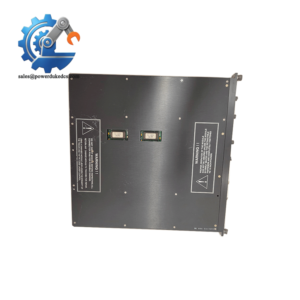
- Triconex 3006 | Tricon v9.x Safety Instrumented System Processor Module
Product Core Brief
- Model: 3006
- Brand: Triconex (Schneider Electric)
- Series: Tricon TMR Safety System (v9.0 ~ v9.5.x)
- Core Function: Triple Modular Redundant main processor executing safety control logic and TriBus voting
- Type: Enhanced Processor Module II (Main Processor)
- Key Specs: 32-bit NS32GX32 @25 MHz | 2 MB SRAM | SIL 3 certified | Hot-swappable in TMR rack
⚠️ Officially end-of-life by OEM, limited surplus inventory
Condition: New Surplus, not refurbished
Key Technical Specifications
| Parameter | Specification |
|---|---|
| Full Part Number | 3006 (Processor Module II Enhanced) |
| Compatible System | Tricon v9.0 to v9.5.x SIS racks |
| CPU Core | NS32GX32 32-bit processor @25 MHz, integrated math coprocessor |
| Memory | 2 MB SRAM, 512 KB EPROM firmware storage |
| System Architecture | Triple Modular Redundancy (TMR), TriBus 4 Mbps backplane bus |
| Safety Certification | SIL 3 (IEC 61508) |
| Power Supply | 24 VDC rack power, plug-in rack mount form factor |
| Clock Circuit | Battery-backed real-time calendar clock |
| Hot Swap Support | Supports hot replacement within fully redundant TMR rack configuration |
| Operating Temperature | 0 ℃ ~ +60 ℃ |
| Storage Temperature | -40 ℃ ~ +85 ℃ |
| OEM Status | Discontinued legacy safety processor |
| Software Platform | TriStation 1131 development software |
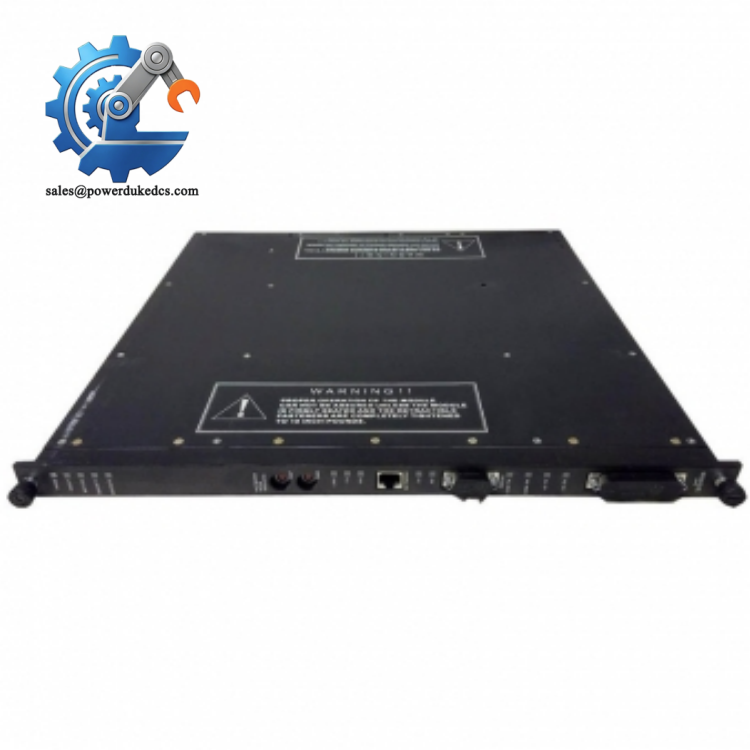
Triconex 3006
Product Introduction
Application Scenarios & Pain Points
- Oil & Gas Refineries – ESD Systems
Emergency shutdown protection for reactors, distillation columns and separation units. Continuous safety logic execution prevents overpressure and fire hazards.
- Power Generation Plants – Turbine & Boiler Protection
Gas turbine and steam turbine safety interlock control; trip logic must remain available at all times to avoid equipment damage.
- Offshore Production Platforms
Wellhead safety shutdown, fire and gas detection interlock systems where long downtime leads to massive production loss.
- Chemical & Fertilizer Facilities
High-risk process reactor safety instrumented loops, subject to strict regulatory safety audit requirements.
- LNG Terminals – Pressure Protection Systems
Critical overpressure prevention for storage tanks and transfer pipelines.
A coastal refinery’s Tricon v9 safety rack reported persistent processor channel faults on one 3006 module. The system degraded to dual-modular operation, violating site safety regulations. Operators could not run the plant long-term under degraded SIS status.
Compatibility & Replacement Matrix
Notes: Confirm rack firmware version range v9.0~v9.5.x. Back up application program and processor configuration before swapping hardware.
3007: Similar hardware family, only 1 MB SRAM; cannot directly replace if application requires 2 MB memory capacity.
Later-generation Tricon processors (3008 series): Not pin-compatible; complete rack migration and program revision mandatory.
Quality Control Process
- Inbound Inspection
Check serial number and front panel labeling. Visual PCB inspection for capacitor aging, corrosion, burn marks and any soldering rework traces.
- ESD Controlled Operation
All testing performed on anti-static workbench with ESD wrist strap to protect sensitive logic circuits.
- Bench Functional Test
Install processor inside Tricon test rack. Complete power-on self-test, TriBus communication verification, firmware version reading, and multi-processor voting function test. A formal test report is generated upon passing.
- Configuration Documentation
Capture hardware photos and record firmware revision for customer reference.
- Power Rail Continuity Test
Detect internal short circuits and degraded power circuits.
- Final QC & Packaging
QC inspector confirms all test items passed. Module sealed inside anti-static bag, wrapped with bubble film and packed into export carton, attached with QC Passed label. Test photos or videos can be provided upon request.
Field Replacement Pitfall Guide
-
Firmware & TriStation Application Compatibility
Different Tricon rack firmware revisions have matching requirements for 3006 processors.
Advice: Record existing rack firmware version and export the complete TriStation application before replacement. I have met engineers who installed mismatched processor firmware, leading to multi-hour rack initialization failure.
-
TMR Synchronization Requirements
When replacing one processor inside a triple redundant rack, allow sufficient time for automatic program synchronization across three processors. Do not initiate safety testing immediately after insertion.
-
Onboard Backup Battery Degradation
The RTC backup battery on the module will age over decades. Low battery causes clock drift and configuration loss. Preventative battery replacement is recommended once installed.
-
Backplane Contact Oxidation
Legacy Tricon racks often have oxidized gold backplane contacts. Clean edge connectors before inserting the new processor to avoid intermittent TriBus communication faults.
-
Electrostatic Discharge Risk
High-density logic circuits are sensitive to static electricity.
Real lesson: A maintenance technician handled the module without ESD protection and damaged TriBus transceiver chips, rendering the processor unrecoverable.
-
Post-installation Safety Validation
After replacement, maintain continuous rack monitoring for minimum 8 hours. Verify all safety logic scan cycles, fault diagnosis alarms and voting functions before removing maintenance permits and restoring full process operation.


 Start Chat