

Description
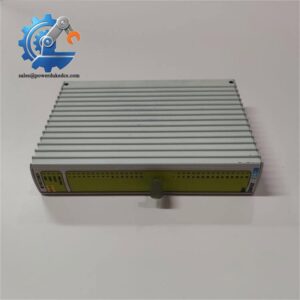
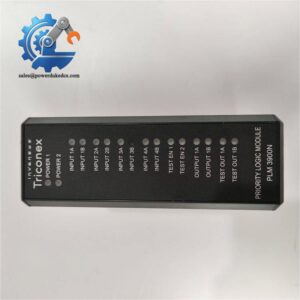
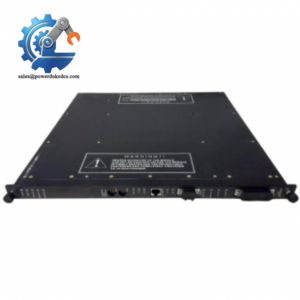
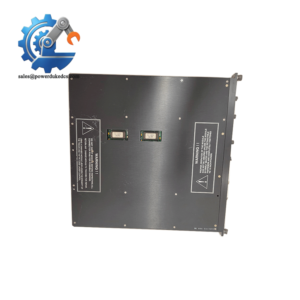
- Triconex IMFF4703x | OEM IMFF Series Fiber Bus Interface Module, Hot Swappable
Product Core Brief
- Model: IMFF4703x
- Brand: Triconex (Schneider Electric)
- Series: Tricon CX Safety Instrumented System Platform
- Core Function: Fiber optic fieldbus interface module, establishes communication between main controller and remote I/O racks
- Type: IMFF Fiber Interface Module
- Key Specs: Triple Modular Redundant (TMR) | Multimode fiber ports | Hot swap capable | IEC61508 SIL3 certified
- Condition Note: OEM discontinued original production; available as fully tested surplus units, factory new production unavailable
Key Technical Specifications
| Parameter | Specification |
|---|---|
| Full Part Number | IMFF4703x |
| Module Type | IMFF Fiber Fieldbus Interface Module |
| Compatible System | Triconex Tricon CX Controller Series |
| Architecture | Triple Modular Redundancy (TMR) Voting Logic |
| Communication Interface | Dual multimode fiber optic ports + 10/100Mbps Ethernet service port |
| Safety Certification | IEC 61508 SIL 3, TÜV certified |
| Feature Support | Hot-swap replacement without system shutdown |
| Backplane Power Supply | Powered via chassis backplane |
| Operating Temperature | -40 °C ~ +70 °C |
| Enclosure Rating | IP20, cabinet rack mounting |
| Supported Software | TriStation engineering configuration software |
| Function | Transmit safety logic data between main processor and distributed remote I/O subracks |
| Diagnostic | Onboard LED status indicators, continuous communication fault monitoring |
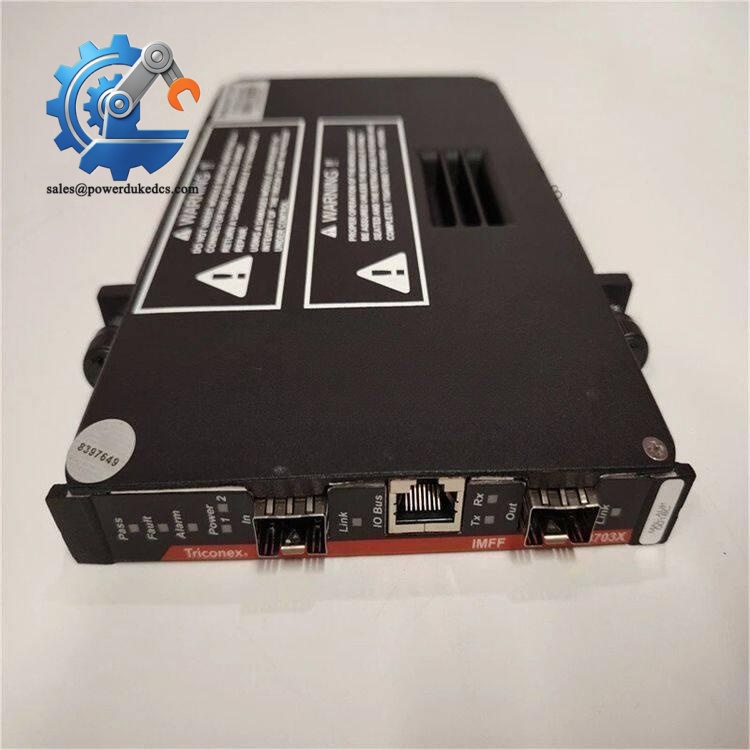
Triconex IMFF4703x
Product Introduction
Application Scenarios & Pain Points
- Oil & Gas Refineries – ESD emergency shutdown systems, remote safety I/O rack communication
- Petrochemical Plants – Fire & Gas (F&G) detection and safety interlock control
- Power Generation Facilities – Gas turbine protection and burner management systems (BMS)
- LNG Terminals – Hazardous area safety instrumented control with long-distance fiber wiring
A coastal petrochemical plant faced safety system alarm flooding after IMFF4703x module degradation. Communication intermittently dropped between main controller and remote I/O cabinets. Official OEM lead time exceeded 9 weeks. The maintenance team purchased our pre-tested IMFF4703x spare. After hot-swap installation, fiber communication recovered fully without system shutdown. The facility added two identical modules to critical safety spare inventory.
Compatibility & Replacement Matrix
IMFF4703x → IMFF4701x : Not plug-and-play; Different hardware logic, cannot be interchanged
IMFF4703x → Later generation Tricon communication modules : Hardware form factor mismatch, system platform upgrade required
IMFF4703x → Third-party generic fiber converters : Not recommended; Cannot support TMR safety voting and SIL3 compliance
Quality Control Procedure (SOP)
- Incoming Inspection
Serial number recording; Visual inspection of PCB, fiber ports, backplane edge connector. Check for corrosion, cracked housings and damaged optical transceivers.
- Bench Functional Live Test
Test platform equipped with Tricon CX simulation rack. Complete power cycle testing, fiber link communication test, TMR channel verification, LED diagnostic check. Formal test report generated.
- Electrical Parameter Testing
Backplane signal continuity test; Optical transceiver power inspection; isolation testing.
- Circuit & Configuration Recording
Document hardware condition; Photograph fiber ports and module front panel for customer reference.
- Final QC & Packing
QC engineer signs test report. Unit packed with anti-static shielding and bubble wrap. Test photos and reports can be provided upon request.
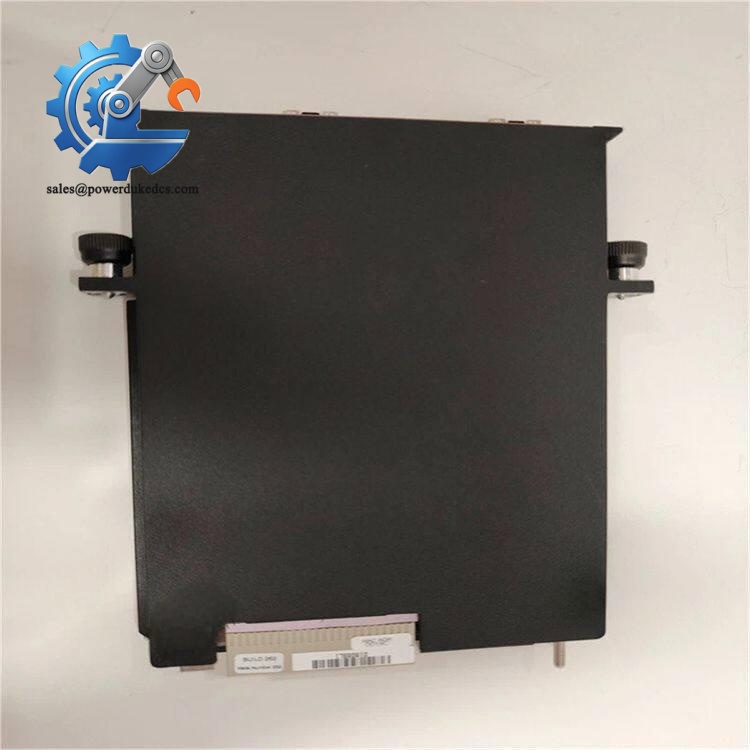
Triconex IMFF4703x
Field Installation Pitfall Guide
-
Firmware Version Mismatch
Fault risk: Module fails to establish fiber link if firmware version mismatches existing Tricon CX controller.
Tip: Record firmware revision of original module before replacement. I have seen safety system communication outages caused by incompatible firmware.
-
Contaminated Fiber Optic Ports
Risk: Dirty fiber ports cause high signal attenuation, intermittent communication loss.
Tip: Clean fiber transceiver ports and cable ends with dedicated fiber cleaning tools before connection. Never touch optical surfaces directly.
-
Incorrect Hot Swap Operation
Risk: Improper insertion/removal sequence triggers backplane signal disturbance and temporary system alarms.
Tip: Follow official Triconex hot swap operating procedure strictly.
-
ESD Damage
Risk: Static discharge damages onboard optical transceivers and TMR logic circuits.
Tip: Wear ESD wrist strap during all handling inside control cabinets.
-
Improper Fiber Cable Routing
Risk: Excessive bending of fiber cables creates permanent optical loss and unstable communication.
Tip: Maintain minimum fiber bend radius specified in system installation manual.


 Start Chat