

Description
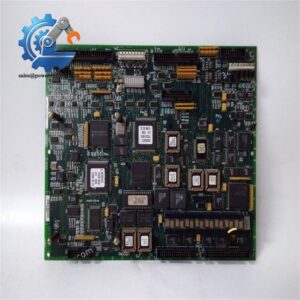
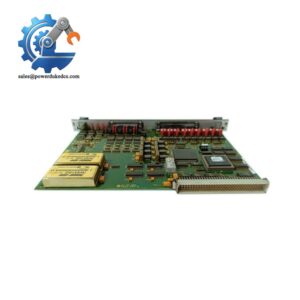
- GE IC687BEM731-AB | Genuine Genius Bus Controller IC687 Series Module
Product Core Brief
- Model: IC687BEM731-AB
- Brand: General Electric (GE)
- Series: Series Six PLC, IC687 Genius Bus System
- Core Function: Manage Genius bus multi-drop communication between CPU and remote I/O stations
- Type: Genius Bus Controller Module
- Key Specs: Supports up to 32 Genius nodes | 1.5 Mbps communication rate | Dual port bus interface
⚠️ Discontinued by OEM, limited stock available
Condition: New Surplus, not refurbished
Key Technical Specifications
| Parameter | Specification |
|---|---|
| Full Part Number | IC687BEM731-AB |
| Compatible System | GE Series Six PLC Control System |
| Communication Bus | GE Genius Bus Protocol |
| Maximum Nodes | 32 Genius remote I/O nodes per module |
| Bus Speed | 1.5 Mbps |
| Hardware Interface | Dual Genius bus terminal ports |
| Operating Voltage | 5 V DC backplane power supply |
| Operating Temperature | 0 ℃ ~ +60 ℃ |
| Storage Temperature | -40 ℃ ~ +85 ℃ |
| Form Factor | Standard Series Six rack slot module |
| OEM Status | Officially discontinued spare component |
| Isolation | Basic signal isolation between backplane and field bus |
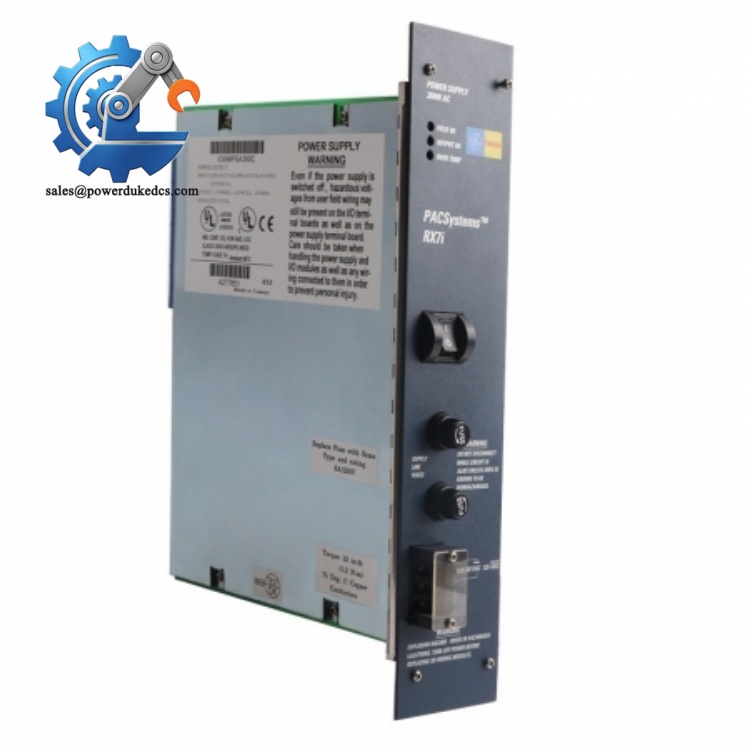
GE IC687BEM731-AB
Product Introduction
Application Scenarios & Pain Points
- Power Auxiliary Control Systems
Used for auxiliary machine control of thermal power plants. Remote valves, pumps and sensor signals rely on Genius bus for data transmission. Communication failure leads to loss of equipment interlock protection.
- Water & Wastewater Treatment Plants
Large-scale pumping stations and chemical dosing systems widely adopt distributed Genius I/O. Bus controller faults disable remote monitoring of flow, pressure and liquid level.
- Heavy Industry Manufacturing
Metallurgy and mining processing lines with legacy Series Six PLC racks. Unexpected communication outages cause production line halt and yield loss.
- Oil & Gas Compressor Stations
On-site remote instrument signals are transmitted via Genius bus. Stable bus communication is critical for safe compressor operation.
Last quarter, a metallurgical processing plant’s Series Six PLC system triggered continuous Genius bus offline alarms. Inspection confirmed hardware failure of the IC687BEM731-AB module.
Compatibility & Replacement Matrix
Notes: Confirm rack backplane hardware revision; match Genius bus terminal wiring polarity.
Minor variant revisions such as IC687BEM731 without suffix AB are not fully interchangeable; communication instability may occur.
No alternative cross-series modules support direct substitution for Genius bus control.
Quality Control Process
- Inbound Inspection
Verify complete label and serial number. Full visual inspection of PCB to check corrosion, scratch marks, solder rework or component aging.
- ESD Controlled Handling
All testing operations are performed on anti-static workbench with ESD wrist strap to prevent chip electrostatic breakdown.
- Bench Communication Test
Insert module into Series Six test rack, build Genius bus simulation network. Verify node scanning, data read-write and fault alarm functions. A formal test report will be issued after passing.
- Hardware Documentation
Take photos of module status and terminal layout for customer reference.
- Continuity & Basic Insulation Test
Check internal circuit for short circuit risk.
- Final QC & Packing
QC inspector signs off after all test items pass. Module sealed in anti-static bag, wrapped with bubble film and packed into export carton, attached with QC Passed label. Test photos or videos can be provided on request.
Field Replacement Pitfall Guide
-
Bus Wiring Polarity Error
Genius bus cables have strict positive and negative polarity. Reverse wiring will result in complete communication failure.
Advice: Take photos of existing wiring before disconnecting terminals. Strictly follow the original wiring layout during replacement.
-
Node Address Conflict
Multiple Genius I/O nodes must use unique addresses. Do not modify on-site node settings randomly after replacing the bus controller.
-
Missing Bus Termination Resistor
The two endpoints of the Genius bus require 120 Ω terminal resistors. Missing or duplicate termination causes signal distortion and intermittent communication dropouts. This is a very frequent on-site error.
-
Electrostatic Damage Risk
The internal communication chips are sensitive to static discharge. Always wear ESD wrist straps when plugging and unplugging modules, especially under low humidity winter conditions.
-
Revision Mismatch Warning
Modules without -AB suffix cannot be directly swapped. Mismatched revisions lead to unstable data exchange and occasional node disconnection faults that are hard to diagnose.
-
Post-installation Check
After installation, run the system continuously for at least 4 hours. Monitor bus load rate and check for random communication faults before resuming full production.



 Start Chat