

Description
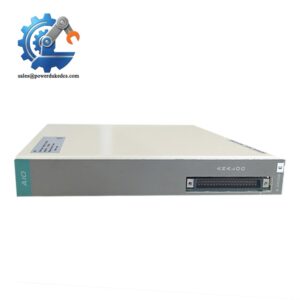
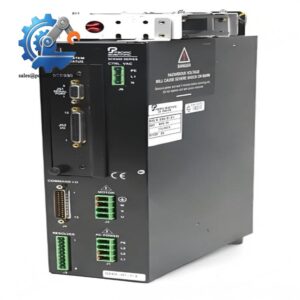
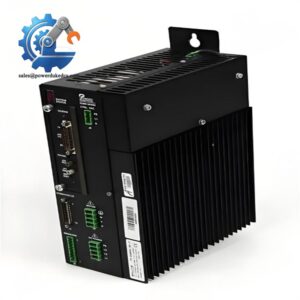
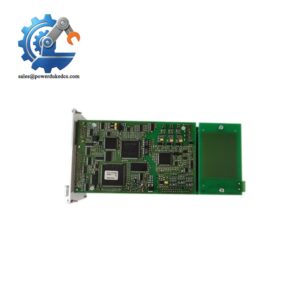
- K-Tron KCM-2 | OEM SmartConnex II Weigh Feeder Process Control Module
Product Core Brief
- Model: KCM-2
- Brand: K-Tron (Coperion K-Tron)
- Series: SmartConnex II Feeder Control System
- Core Function: Dedicated controller for loss-in-weight & volumetric feeders, real-time gravimetric flow regulation
- Type: Feeder Control Module (KCM)
- Key Specs: Works with SFT-II / SFT-III load cells | Integrated motor drive interfaces | Multiple industrial communication protocols
- Condition Note: Legacy mature controller; OEM original production continues, stocked surplus units fully tested before delivery
Key Technical Specifications
| Parameter | Specification |
|---|---|
| Full Part Number | KCM-2 |
| System Platform | SmartConnex II |
| Supported Equipment | Loss-in-weight feeders, vibratory feeders, screw feeders |
| Compatible Load Cell | K-Tron SFT-II, SFT-III series weighing sensors |
| Drive Support | DC motor, stepper motor, vibratory drive, external VFD interface |
| Communication Protocols | Modbus RTU, Modbus TCP, Profibus DP, Ethernet/IP, DeviceNet, DF1 |
| Power Input | 103–264 VAC, 47–63 Hz |
| Operating Temperature | 0 °C ~ +50 °C |
| Enclosure Rating | IP65 / NEMA 4 |
| User Interface Options | Local LCD keypad (KCM-KD) / LED status display (KCM-SD) |
| Control Algorithm | Proprietary feed predictive algorithm for low-speed short-term accuracy |
| Local I/O | Digital input/output, analog 4–20mA input/output for interlock signals |
| Configuration Tool | SmartConfig PC software for parameter download & calibration |
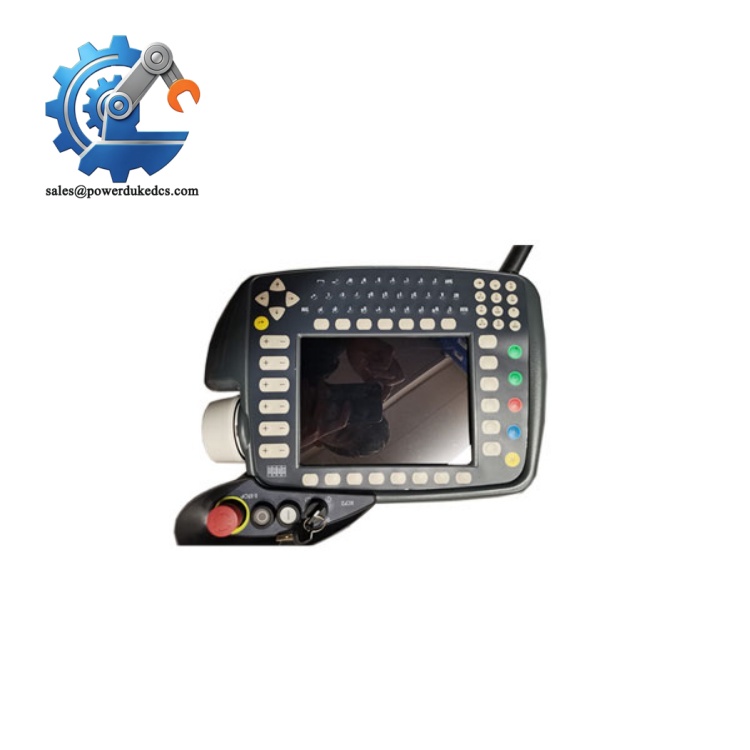
K-Tron KCM-2
Product Introduction
Application Scenarios & Pain Points
- Plastics Compounding & Extrusion – Continuous gravimetric feeding of polymer pellets, additives and powders
- Chemical Process Plants – Precise continuous dosing of raw materials for reaction systems
- Food & Pet Food Manufacturing – Accurate formulation mixing with hygienic feeder packages
- Pharmaceutical Production – Controlled feeding of active ingredients for tablet and coating processes
A plastic compounding plant in Fujian suffered periodic flow fluctuation on twin-screw extruders. Troubleshooting traced the root cause to an aging KCM-2 with unstable load cell signal acquisition. The facility had no spare controller on hand. After installing our pre-tested KCM-2 spare, feed rate deviation returned within process tolerance. The procurement team added two spare controllers to their MRO inventory to avoid unexpected production stops.
Compatibility & Replacement Matrix
KCM-2 → Early generation KCM (KCM-1) : Not plug-and-play; Different hardware architecture, requires full program reconfiguration
KCM-2 → K10 / K10S Controller : Not directly interchangeable; Full system modernization and wiring modification required
KCM-2 → Third-party generic feeder controllers : Not recommended; Incompatible with K-Tron SFT load cell signal protocols, accuracy risks exist
Quality Control Procedure (SOP)
- Incoming Inspection
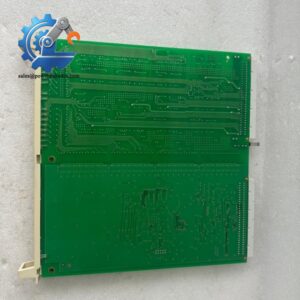
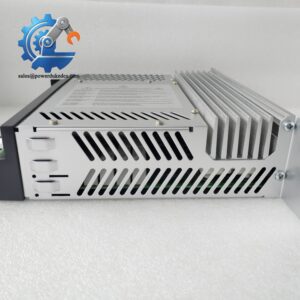
Serial number verification; Visual inspection of enclosure, PCB, wiring terminals and display. Check for corrosion, burn marks and physical damage.
- Bench Functional Live Test
Test platform equipped with simulation load cell and feeder drive simulator. Complete power cycle testing, weight signal sampling, speed regulation and alarm function verification. Generate formal test report.
- Electrical Parameter Testing
Insulation resistance test, power supply ripple inspection, communication interface connectivity verification.
- Circuit & Configuration Recording
Record hardware configuration; Photograph board and interface status for customer reference.
- Final QC & Packing
QC engineer signs test report. Unit packed with anti-static protection, bubble wrap. Test photos and reports can be provided upon request.
Field Installation Pitfall Guide
-
Missing Parameter File (KGR File)
Fault risk: After replacement, feeder cannot run normally without matched feeder parameter file.
Tip: Back up KGR configuration file from original controller before removal. I have seen multiple plant shutdowns caused by lost parameter files.
-
Improper Load Cell Wiring & Shield Grounding
Risk: Noise interference causes weight signal jitter and unstable feeding.
Tip: Follow official wiring manual; single-point grounding for load cell cable shielding. Do not ground both cable ends.
-
Power-off Waiting Requirement
Risk: Internal high-voltage capacitors remain charged after power cut; premature enclosure opening leads to electric shock.
Tip: Cut power and wait minimum 3 minutes before opening the controller housing.
-
ESD Damage
Risk: Static electricity damages internal CPU and weighing signal circuits during maintenance.
Tip: Wear ESD wrist strap and use anti-static mat when opening the enclosure.
-
Incorrect Battery Maintenance
Risk: Internal CR2032 battery failure leads to configuration loss after power failure.
Tip: Replace battery every 5 years. Only use specified battery model; replace under power-off condition.


 Start Chat