

Description
Product Core Brief
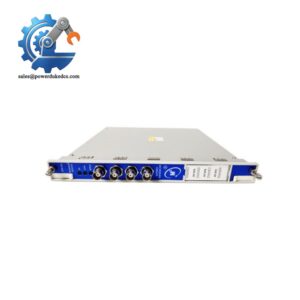
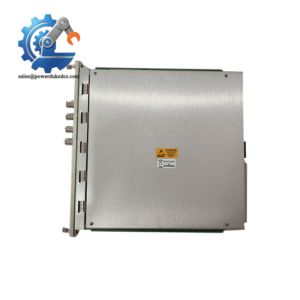
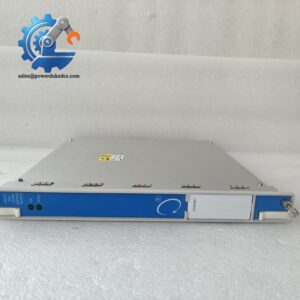
- Model: 3500/42M 176449-02
- Brand: Bently Nevada (Baker Hughes)
- Series: 3500 Machinery Protection System
- Core Function: Process signals from proximity and seismic transducers for vibration and shaft position protection
- Type: Proximitor Seismic Monitor Module
- Key Specs: 4 programmable channels, supports multiple sensor types, configurable alarm thresholds
- Condition: New Surplus, non-refurbished, no rework or component replacement traces
- Status: ⚠️ Long-term production phased out, limited available inventory
Product Introduction
Unexpected vibration or thrust position deviation can lead to catastrophic damage on high-speed rotating equipment. The Bently Nevada 3500/42M 176449-02 acts as a core measurement unit within the 3500 TSI rack. It receives signals from eddy current probes and seismic sensors and continuously evaluates machinery operating parameters against preset limits.
Channels can be configured in pairs to monitor radial vibration, thrust position, differential expansion and eccentricity. Field operation records confirm stable measurement performance under heavy EMI inside power plants and refineries. It generates alarm and shutdown commands to protect turbines, compressors and large motors while transmitting real-time data to System 1 and plant DCS platforms.
Key Technical Specifications
| Parameter Item | Technical Value |
|---|---|
| Full Part Number | 3500/42M 176449-02 |
| Applicable Platform | Bently Nevada 3500 Series Rack System |
| Channel Quantity | 4 independent programmable channels |
| Supported Transducers | Proximity probes, velocity sensors, accelerometers |
| Measurable Parameters | Radial vibration, thrust position, differential expansion, eccentricity, acceleration |
| Power Consumption | Typical 7.7 W |
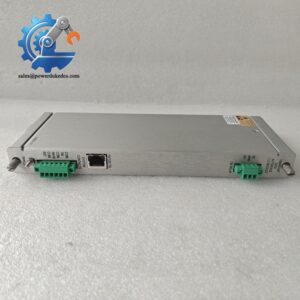
| Mounting Standard | Plug-in card for standard 3500 rack slots |
| Status Indicators | Module Run LED, Channel Alarm LEDs, Fault LED |
| Operating Temperature | 0 °C ~ +65 °C |
| Storage Temperature | -40 °C ~ +85 °C |
| Relative Humidity | Up to 95 %, non-condensing |
| Net Weight | 0.91 kg |
| Typical Application | Steam turbine, centrifugal compressor, large generator TSI protection |
| Origin | Europe |
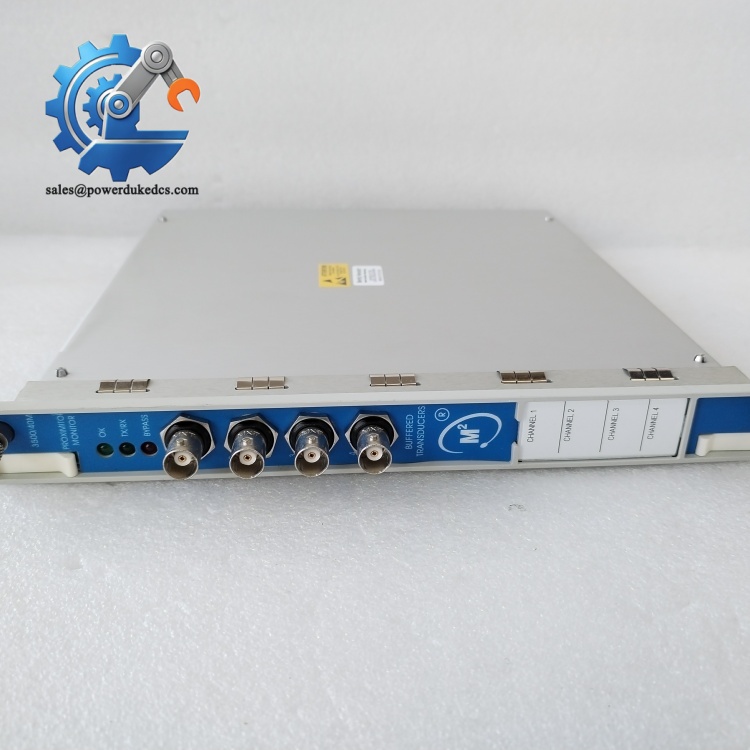
Bently Nevada 3500/42M 176449-02
Installation & Configuration Guide
Stage 1: Pre-Installation Preparation (12 mins)
⚠️ Safety procedures take priority for all TSI module replacement. Notify operation staff of scheduled downtime. Confirm related machine protection logic is blocked or transferred to safe mode. Cut off the entire 3500 rack power and UPS supply. Wait at least 5 minutes for internal capacitor discharge.
Prepare required tools: anti-static wristband and anti-static mat, PH1 cross screwdriver, digital multimeter, marker labels, mobile phone for image backup. Complete backup tasks: export full rack configuration via 3500 Rack Configuration Software. Capture clear photos of sensor wiring, terminal block layout and existing channel parameter settings.
Stage 2: Old Module Removal (10 mins)
Loosen the front panel locking screws. Label each sensor cable terminal number to avoid mismatching during reinstallation. Loosen terminal screws counterclockwise and extract cables gently.
Unlock the module ejector levers on both sides. Pull the module horizontally out from the rack slot. Inspect backplane connector pins for bending or dust accumulation. Clean debris with dry compressed air if necessary. Retain all handwritten configuration notes attached to the terminal board before removal. Do not twist the circuit board during disassembly.
Stage 3: New Module Installation (12 mins)
Put on anti-static equipment before opening anti-static packaging. Double-check full part number 3500/42M 176449-02 matches your required spare. Confirm matching rear I/O terminal board model. Improper pairing will cause signal loss or measurement failure. Align the module with rack guide grooves, push horizontally into the slot, then lock both ejector levers firmly. Reconnect all labeled sensor cables and fasten terminals with moderate torque.
Pre-power-on self-check list:
- Matching terminal board installed correctly
- All sensor cables securely terminated
- Module fully locked inside rack slot
- No loose tools left within control cabinet
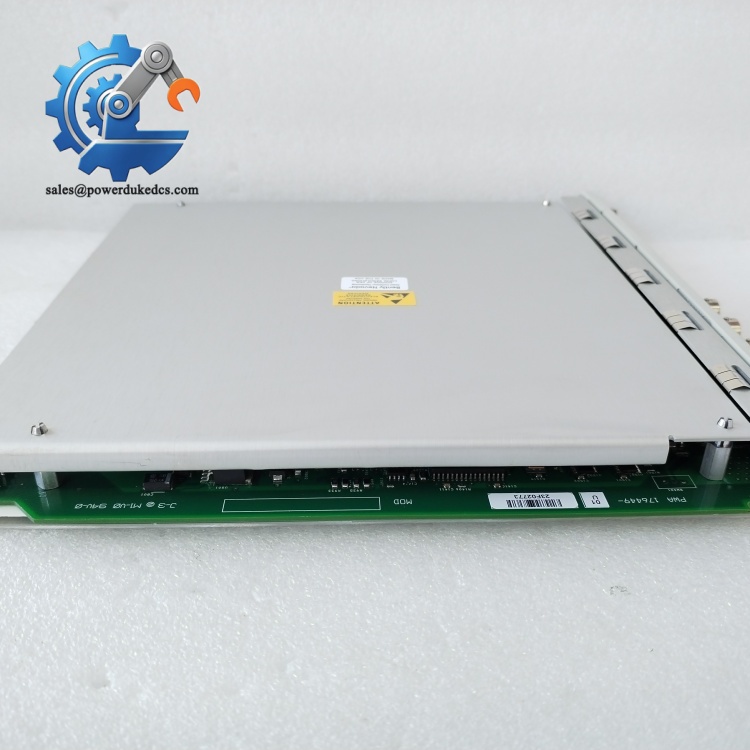
Bently Nevada 3500/42M 176449-02
Stage 4: Power-On & Functional Testing (15 mins)
Use multimeter to verify rack supply voltage stays within rated range and confirm no short circuit between power and ground terminals. Power up the 3500 rack alone first. Observe front panel LEDs: steady green RUN light means normal initialization; channel amber light indicates pre-alarm; red light represents hardware or signal fault.
Launch 3500 Rack Configuration Software to scan rack nodes. Confirm the new monitor module is detected on the backplane bus. Upload the backed-up configuration file and download parameters to the module. Carry out static gap testing for proximity channels and check raw signal readings. Keep continuous operation over 30 minutes without persistent alarms. Record module serial number and replacement date into maintenance archives.
Typical troubleshooting tips: Missing channel readings often relate to mismatched transducer sensitivity settings; constant fault light may come from probe cable open circuit or hardware defect.
Strict Quality Inspection SOP
Every stocked Bently Nevada 3500/42M 176449-02 completes full testing workflow before delivery to eliminate hidden risks for TSI system users. 1. Warehouse Incoming Inspection We validate serial number authenticity and original label integrity. Full visual inspection covers circuit corrosion, surface scratches, solder repair traces and component aging. All hardware revision marks are documented.
2. Live Rack Functional Test Modules run testing on our standard 3500 test rack. Test procedures include power-on self-test, backplane bus communication handshake and full-channel signal simulation. We record operating status over continuous 24-hour load test and issue individual test reports.
3. Electrical Performance Testing Fluke measuring instruments conduct insulation resistance and continuity checks. All electrical readings must comply with official datasheet standards. Units showing leakage or open circuits get rejected directly.
4. Hardware Version Documentation Board revision information is photographed and filed, offering reference for customer field configuration.
5. Final QC & Packaging Professional inspectors sign off once all test items pass. Modules are sealed inside anti-static bags, wrapped with bubble film and packed into cartons. Each package carries a QC Passed sticker with inspection date. Test photos or video clips can be shared on request.
Field Pitfall Avoidance Guide
On-site maintenance records show most replacement failures stem from minor operational mistakes rather than module defects.
1. Neglecting configuration backup before replacement Many technicians replace the module without exporting parameters. They spend hours retyping sensitivity, alarm setpoints and channel measurement types manually. We dealt with one power plant case where missing configuration backup delayed turbine restart for more than half a shift. Always export rack configuration files first.
2. Skipping ESD protection measures Signal sampling circuits integrate high-precision ADC chips. Static discharge during dry weather can damage internal circuits with no visible damage. We once saw a brand-new module fail immediately after power-on because the engineer skipped anti-static procedures. Wear wristbands and work on anti-static mats every time.
3. Improper sensor cable shielding handling Sensor cable shields must be grounded at the rack side only. Double-ended grounding creates ground loops and introduces periodic measurement noise. Follow official wiring diagrams strictly.
4. Conflicting rear terminal board variants Different 3500/42M revisions require matched I/O terminal boards. Using an unmatched terminal assembly leads to incomplete signal access and channel failures. Confirm terminal board part number together with the monitor module.
5. Compatibility risk of legacy hardware Well, technically this variant has stopped original production. Some updated 3500 rack firmware versions have limited adaptability for older hardware variants. Confirm your current rack firmware revision before placing orders.
Following these suggestions helps avoid more than 90% of on-site rework and unexpected downtime.
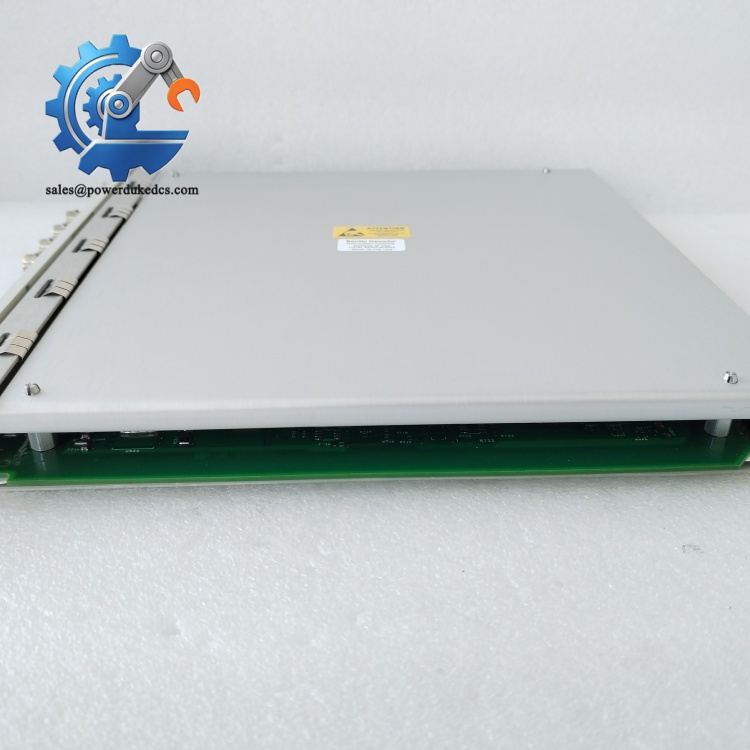
Bently Nevada 3500/42M 176449-02
Frequently Asked Questions (FAQ)
1. Does Bently Nevada 3500/42M 176449-02 support hot swap? Hot swap cannot be performed during normal running status. Live extraction interrupts rack backplane communication and triggers machinery protection alarms. Complete power-off and capacitor discharge are mandatory before replacement.
2. Is the 176449-02 variant interchangeable with other 3500/42M part numbers? Different part suffixes represent distinct hardware revisions. Physical dimensions and connectors match, but you still need to verify rack firmware compatibility and terminal board matching to avoid measurement errors.
3. Do I need to flash extra firmware after installation? Monitor logic runs on onboard firmware. Normally no separate flashing required. You only need to download saved channel configuration after mounting.
4. What causes steady red fault LED illumination? Constant red fault light usually comes from three factors: broken transducer cable, incorrect channel sensitivity setup, or internal hardware failure. You can troubleshoot step by step by disconnecting external sensor wiring first.
5. What after-sales terms can be offered? All stocked modules come with a 12-month warranty. We supply complete test reports, remote technical guidance during installation and fault diagnosis. Listed prices serve only as reference; negotiation is available for bulk orders.
6. Why choose original surplus instead of generic replacement boards? Third-party substitute boards cannot fully match the signal filtering, alarm logic and transducer interface specifications of Bently Nevada 3500 TSI systems. For turbine protection loops, mismatched signal processing may introduce hidden safety risks. Original spare parts prevent unpredictable adaptation issues.


 Start Chat