

Description
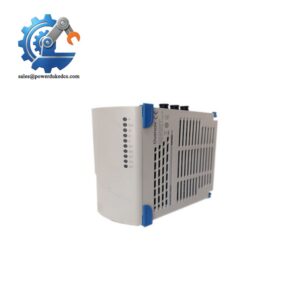
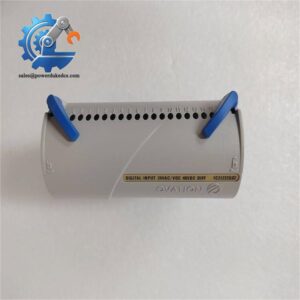
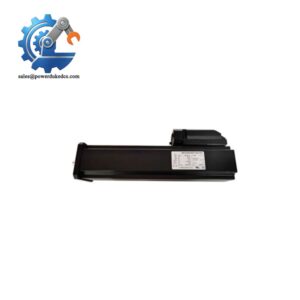
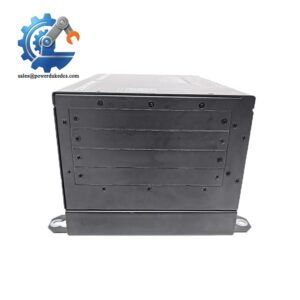
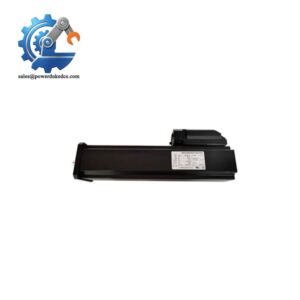
- Emerson P155.R2 | Genuine OEM Signal Connection Module, Limited Stock
Product Core Brief
- Model: P155.R2
- Brand: Emerson
- Series: Legacy DCS & Rack-based Automation System Components
- Core Function: Signal connection and distribution board, provides isolated signal routing between rack controller and field modules
- Type: Interface Connection Board
- Key Specs: 1500 Vrms galvanic isolation | Supports multi-channel signal transmission | 24 V DC backplane powered
- Condition: New Surplus, non-refurbished
⚠️ This model has been officially discontinued by Emerson, stock quantity limited.
Key Technical Specifications
| Parameter | Specification |
|---|---|
| Full Part Number | P155.R2 |
| Product Name | Signal Interface Connection Board |
| Power Supply | 24 V DC via rack backplane |
| Isolation Rating | 1500 Vrms galvanic channel isolation |
| Operating Temperature | -20 ℃ ~ +70 ℃ |
| Supported Signal Types | Analog signals, discrete I/O signals |
| Anti-interference Design | Built-in EMI suppression circuit |
| Mounting Method | Standard rack slot installation |
| Communication Compatibility | Matches Modbus RTU, HART signal wiring layout |
| Protection | On-board overvoltage transient protection |
| Mechanical Feature | Lockable terminal connectors, anti-vibration structure |
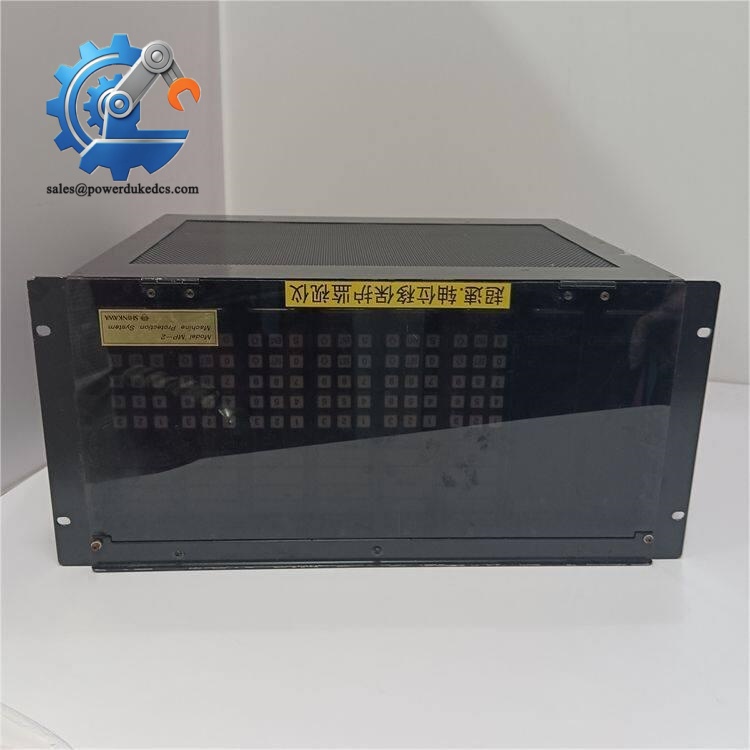
Emerson P155.R2
Product Introduction
Application Scenarios & Pain Points
- Petrochemical Plants – Process Control Rack
Used for signal wiring of reactor, distillation column monitoring loops; isolate analog measurement signals to eliminate interference from high-power equipment.
- Power Industry – Auxiliary System DCS
Signal distribution for boiler water supply, flue gas treatment control systems; stable signal transmission is required for long-term unattended operation.
- Water Treatment – SCADA Control Cabinets
Connect flow, pH sensor signals to rack controllers, guarantee continuous monitoring of water quality parameters.
- Metallurgy – Heating Furnace Automation Rack
Adapt to high temperature and strong electromagnetic interference workshop environment, prevent signal distortion.
- Pulp & Paper – Continuous Production Line Control
Avoid frequent shutdown caused by unstable field signal transmission.
A chemical plant’s DCS rack encountered partial channel signal loss. After inspection, the original P155.R2 connection board suffered circuit aging.
The project could not stop production for long-term system upgrade. After installing the replacement P155.R2 board, technicians restored all analog and discrete signal channels within one shift. All monitoring loops returned to normal, and the plant avoided unplanned shutdown losses.
Compatibility & Replacement Matrix
P155.R2 → P188.R2 : Not interchangeable (P188.R2 is power interface board, different circuit layout)
P155.R2 (Standard Revision) → P155.R2 alternate hardware revision : Direct replacement (confirm pin assignment before hot swap)
Critical Replacement Warnings
- Different hardware revisions may have tiny differences in pin definitions. Photograph the original board wiring before disassembly.
- Channel isolation circuits cannot be short-circuited during installation, otherwise permanent board damage will occur.
- Confirm the 24 V DC backplane power supply is cut off before plugging/unplugging the board.
- Strict ESD protection must be implemented; static discharge will damage onboard isolation chips.
Quality Control Process
- Incoming Inspection
Check serial number, factory labels and physical appearance. Confirm no circuit board corrosion, scratch or disassembly traces. Complete accessories verification.
- ESD Control
All testing and storage work is carried out on anti-static workbenches with anti-static wristbands.
- Live Bench Function Test
Install the board on matching test rack, connect signal simulators. Complete channel continuity test, isolation resistance test and continuous 24-hour aging test.
- Electrical Parameter Testing
Test insulation resistance between signal channels, verify transient protection circuit performance.
- Final QC & Packaging
Generate formal test report, seal module with anti-static bag, fill with bubble film. Attach QC passed label before shipment. Test photos and videos can be provided upon customer request.
Module Replacement Pitfall Guide
-
Neglect Pin Definition Differences
Risk: After replacement, partial channels have no signal or reversed signal polarity.
Advice: Take clear photos of all wiring terminals before removing the old board. Do not rely solely on memory.
Real case: A maintenance engineer replaced the board without recording wiring. It took more than one working day to troubleshoot reversed analog signal channels.
-
Ignore ESD Protection
Risk: Static electricity damages isolation chips, leading to intermittent signal drift that is difficult to reproduce.
Advice: Never touch PCB circuit traces directly. ESD operations are especially important in dry winter environments.
-
Confuse P155.R2 with P188.R2
Risk: Wrong board installation causes backplane circuit overload.
Advice: Confirm model number printed on PCB silkscreen. P188.R2 serves power supply functions and cannot replace signal interface boards.
-
Skip Isolation Performance Check
Risk: After replacement, signal crosstalk occurs between adjacent channels, disturbing closed-loop control.
Advice: Measure isolation resistance of each channel after installation before restoring automatic control mode.
-
Misjudge Equipment Fault Source
Risk: Engineers replace the interface board blindly without confirming whether the fault comes from field sensors or cables.
Advice: Carry out signal loop troubleshooting first to avoid unnecessary spare part replacement.



 Start Chat